⚠ FLOOD WARNING — Wharton & Matagorda counties until 5:00 AM CDT. Do not drive through flooded roads.
Who we are, how we report, and why accuracy matters
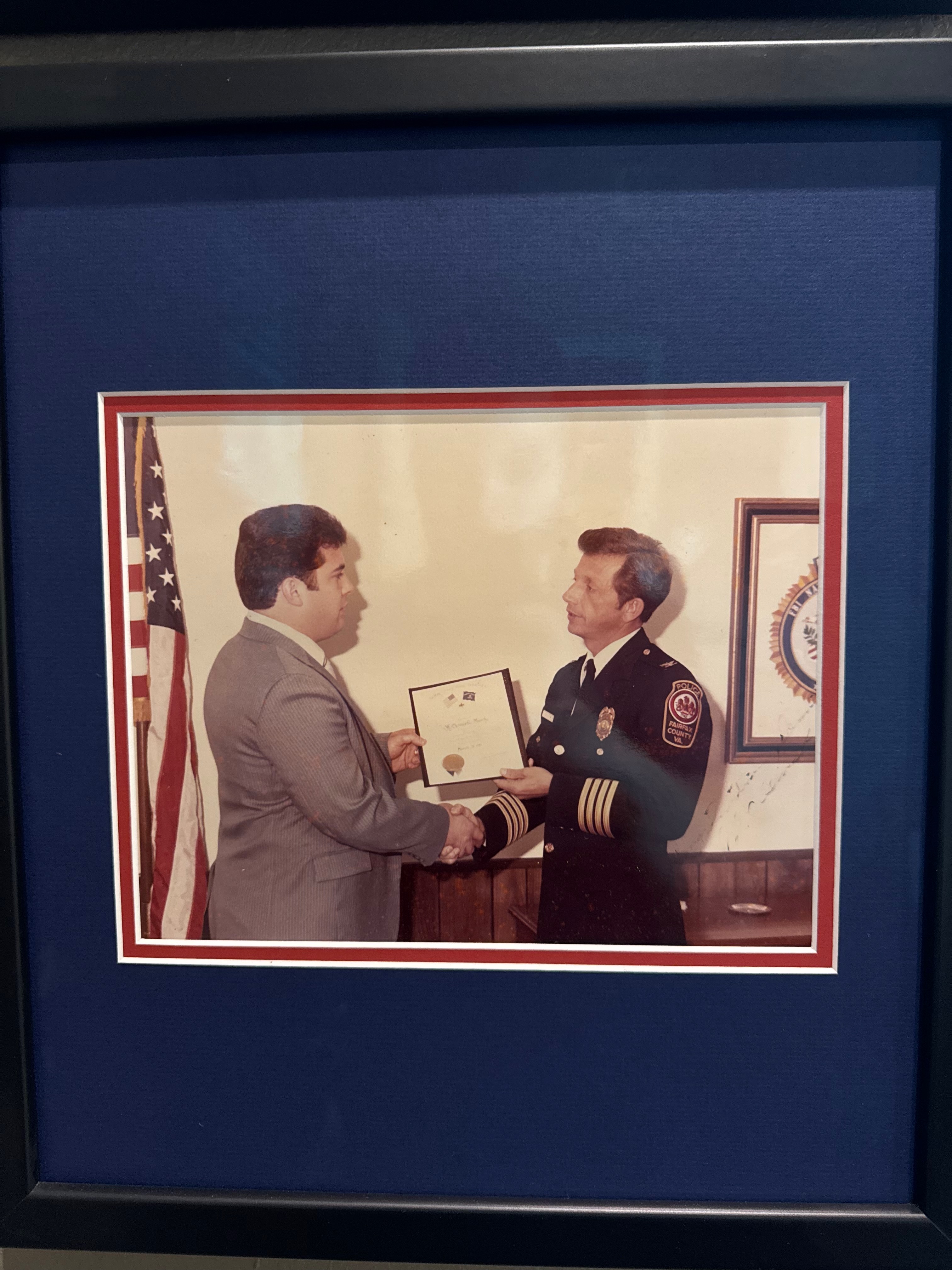
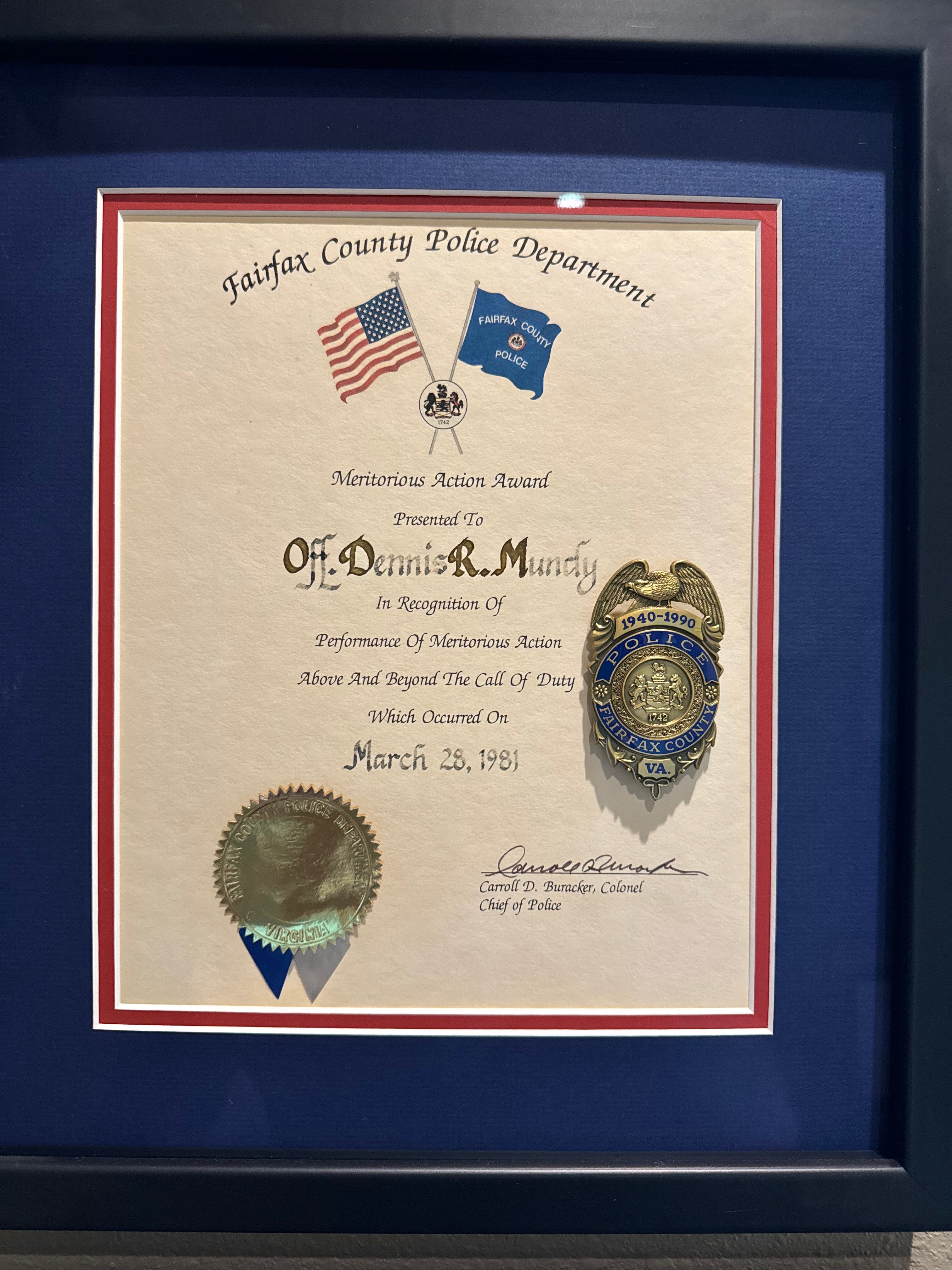
Local Traffic Accidents, LLC was founded by Dennis R. Mundy, a former Fairfax County, Virginia police officer who conducted accident investigations early in his career. In March 1981, he received the Fairfax County Police Department's Meritorious Action Award for performance above and beyond the call of duty. After an on-duty injury ended his policing career, he went on to earn degrees in accounting, finance, and law. He has practiced law for more than 35 years and is licensed in both Texas and New York. His years of on-the-ground forensic experience at crash scenes, combined with decades of interpreting traffic law and incident records, shape how LTA reports — and why it produces real-time traffic news.
LTA combines real-time data analysis — drawing on both external feeds and internally developed pipelines — with editorial review to publish the Houston-Galveston region's traffic incident coverage faster and with more analytical depth than traditional media. Every major incident report is reviewed for accuracy against source data. Corridor patterns, intersection histories, and severity classifications are tracked across the site's proprietary incident database. The result is traffic reporting built on the same precision a former investigator would apply to any scene.
Local Traffic Accidents exists to provide the Houston metropolitan area with timely, accurate, and accessible traffic incident information. Our goal is to help drivers make informed decisions, keep communities aware of conditions on their roads, and maintain a comprehensive record of traffic incidents across the region.
LTA's editorial system was designed and configured by Executive Editor Dennis R. Mundy to apply consistent reporting standards across high-volume real-time incident coverage. The system combines our proprietary data pipeline — which ingests verified information from official police, fire, and transportation sources — with AI-assisted drafting that produces incident reports to the editorial specifications, vocabulary, and accuracy standards LTA maintains.
This editor-designed production architecture is what allows LTA to publish detailed coverage of every reportable incident across the 13-county service area, faster and with more analytical depth than legacy media. Mr. Mundy holds full editorial authority over the system's outputs: he sets the editorial standards the system applies, controls the report templates and vocabulary, sets the publication rules, and reviews and corrects reports as needed. Articles published on LTA carry his executive editorial responsibility regardless of whether he personally drafted each line of prose.
The system does not generate opinion, speculation, or commentary. It produces factual incident reports based on verified source data, structured to LTA's editorial standards. Source data is retained and auditable. Corrections are issued promptly when source data is updated or errors are identified.
LTA produces original traffic incident reports by monitoring real-time dispatch, emergency service, and transportation data across the 13-county Houston-Galveston area. Our proprietary, patent-pending technology identifies and verifies incidents from multiple independent sources, delivering coverage before traditional media.
Every incident published on LTA passes through a multi-stage screening process before it reaches the public:
If an incident report contains inaccurate information, we correct it as soon as the error is identified. Location data, severity classifications, and incident details are updated as new information becomes available. Incidents confirmed to be duplicates are merged, and the consolidated record reflects the most accurate available information.
To report an error or request a correction, contact us at editor@localtrafficaccidents.com.
LTA reports factual incident information only. We do not speculate on fault or liability. We do not publish the names of individuals involved in traffic incidents. Our reports are limited to verified facts: what happened, where, when, the severity, and which county the incident occurred in.
Local Traffic Accidents, LLC is an independently operated Texas limited liability company. It does not provide attorney-referral or lead-generation services and does not sell or refer user leads. Editorial decisions are made independently of any advertiser or sponsor.
Last updated: June 7, 2026


